PCOS Acne: Why It’s Different From Regular Acne and How to Treat It
Living with persistent breakouts can be very emotionally draining, especially when regular face washes and creams don’t seem to make a difference to your skin. If you are experiencing painful deep bumps around your jawline, you are not alone and are not to blame. Skin Clinic Pimple Saudagar & Bodysutra.
Polycystic Ovary Syndrome (PCOS) affects millions of women, and one of its most frustrating symptoms is persistent acne. At Bodysutra Clinique in Pimpri Chinchwad, we meet many women who feel overwhelmed by breakouts that refuse to clear up. Understanding why PCOS acne happens and why standard treatments often fail is the first step toward getting your skin and confidence back.
How PCOS Acne Is Different From Regular Acne
If you want to treat acne effectively, you must first know what you are dealing with. Normal adolescent or surface acne usually occurs when dead skin cells and excess surface oil clog your pores. It usually shows up as whiteheads, blackheads or little red pimples on your forehead, nose and cheeks.
What makes PCOS acne different is that it is caused by internal hormonal imbalances, namely, higher levels of androgens (male hormones like testosterone).
How To Know If Acne Is Hormonal?
Three main things can usually tell you if the acne is from PCOS or just normal acne:
- Where it happens: Common acne appears all over the T-zone (forehead, nose, chin). In PCOS, acne is limited to the lower third of the face.
- Type of breakout: Pimples on the surface or blackheads are typical of regular acne. PCOS acne is characterized by deep, painful, cystic bumps beneath the skin that rarely come to a head.
- Timing: Hormonal acne will flare up predictably during your menstrual cycle or periods of high stress.
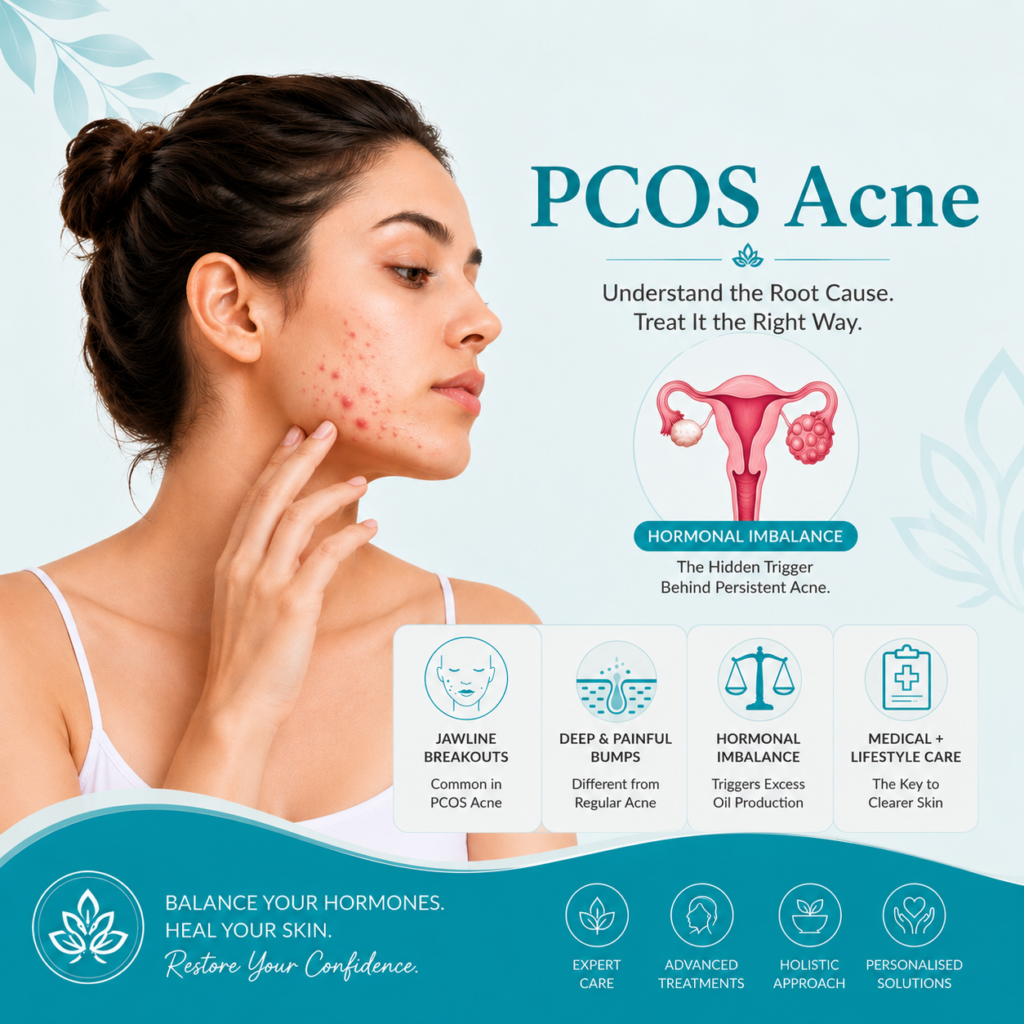
What Do PCOS Zits Look Like? (Jawline/Chin Shape)
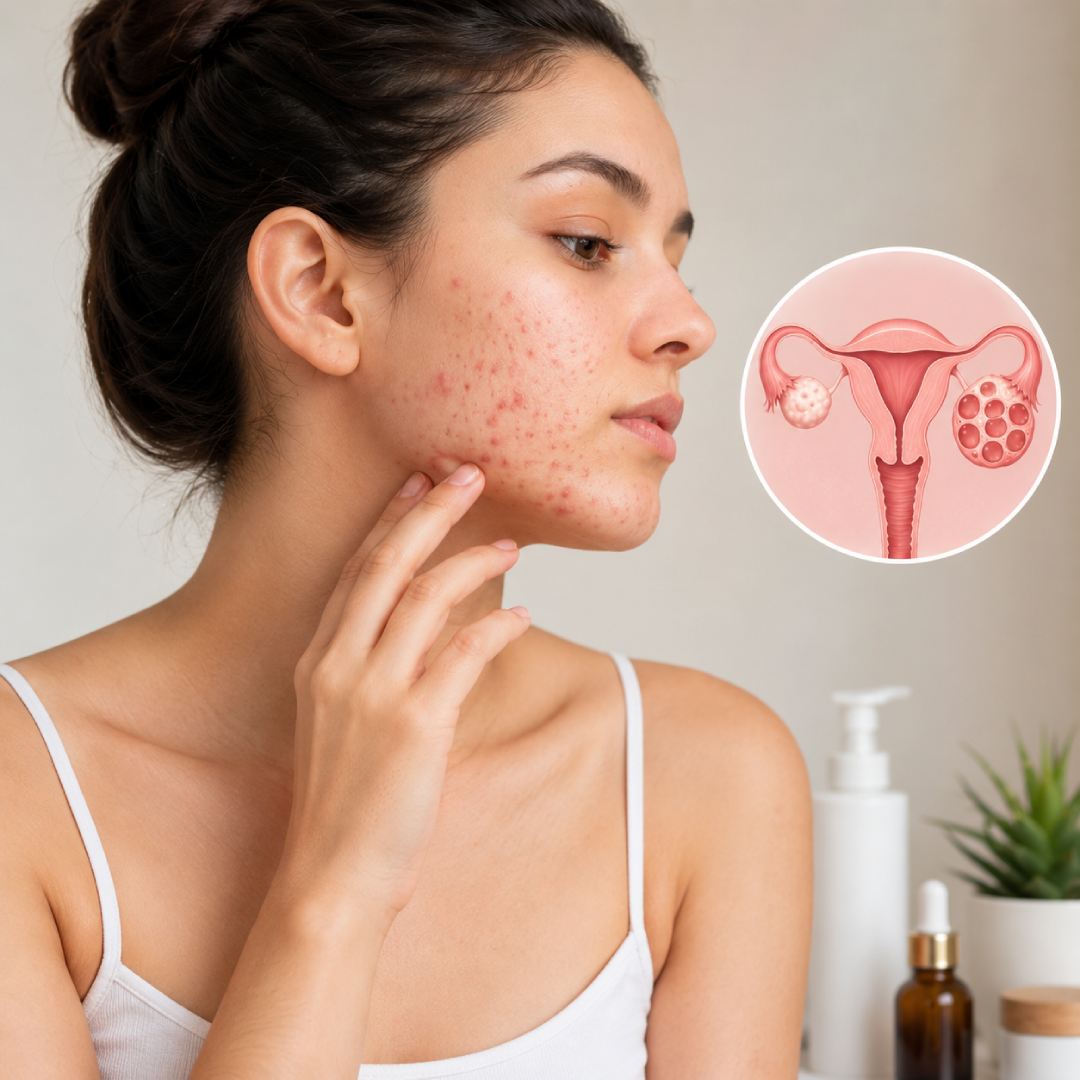
The PCOS acne usually appears as painful, inflamed, deep cysts or nodules. The signature mark of PCOS acne is the pattern of jawline and chin acne. The bumps often spread along the jawline, upper neck, chin, and lower cheeks. Because these lesions originate deep within the dermis, squeezing or picking them rarely helps and almost always leads to dark spots (post-inflammatory hyperpigmentation) or permanent scarring.
Why normal acne treatments aren’t working for PCOS
If you’ve tried countless spot treatments, salicylic acid cleansers or over-the-counter creams with little success, don’t despair.
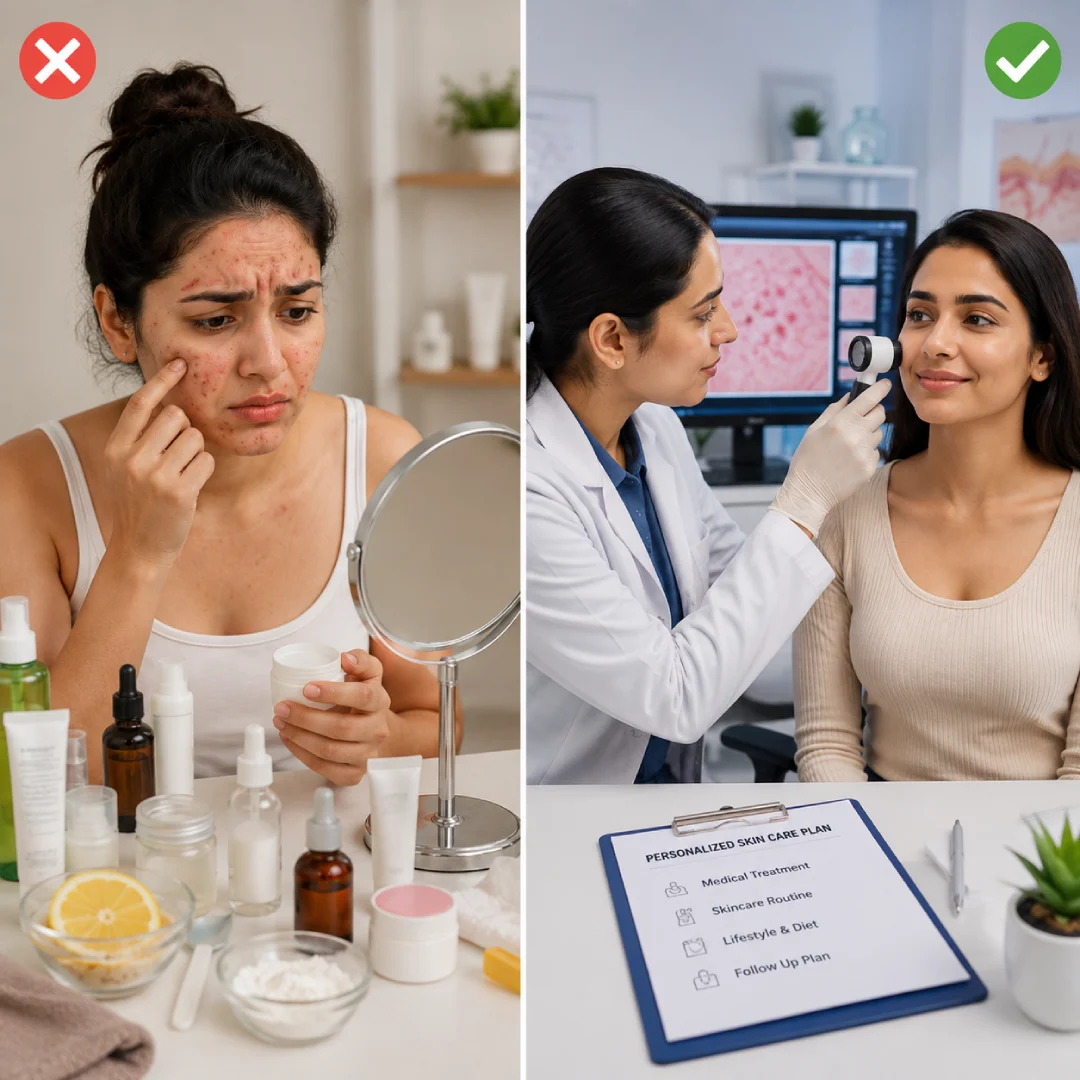
Topical products only target surface oil and bacteria. They can’t control the internal hormonal fluctuations that drive your oil glands from the inside. High levels of androgens signal the sebaceous glands to produce thick, sticky sebum. Together with inflammation, this creates a continuous cycle of deep cysts. True relief needs a medical approach, internally and externally.
Clinical Treatments and Medical Treatments
The best treatment for PCOS acne is a combination of internal hormone regulation and modern clinical skin therapies.
- Internal Regulation: With the help of a dermatologist and endocrinologist, therapies such as oral contraceptives or anti-androgen medications (such as spironolactone) can be useful in regulating androgens and significantly reducing sebum levels.
- Advanced Dermatological Procedures: Medical-grade procedures provide excellent results for rapid relief of active breakouts and scarring. We provide clinical services to patients at Pimple Saudagar, Rahatani and across the Pimpri-Chinchwad region. Our clinical options are:
- Chemical Peels: Salicylic and mandelic acid peels exfoliate deep within the pores, reducing active inflammation.
- Laser & Light Therapy: Targets acne-causing bacteria while calming deep-seated redness.
- Microneedling / Dermaroller: Helps remodel collagen to fade persistent acne scars caused by hormonal cysts.
What Is the Best Skincare for PCOS Acne?
Keep your daily skincare routine simple, gentle, and consistent. Over-stripping your skin barrier will only trigger more oil production.
- Cleansing: Use a mild, sulphate-free cleanser twice daily. Look for ingredients like salicylic acid (1 2%) or benzoyl peroxide to keep pores clear.
- Active Serums: Incorporate Niacinamide (5%) to strengthen the skin barrier and reduce inflammation, or Azelaic Acid to tackle both redness and post-acne pigmentation.
- Hydration: Never skip moisturizer. Choose a lightweight, oil-free, non-comedogenic gel moisturizer.
- Sun Protection: Apply a broad-spectrum SPF 30+ sunscreen daily. Hormonal acne marks darken quickly under UV exposure.
Lifestyle & Diet: Take Care of Your Skin from the Inside
Because PCOS is so closely related to insulin resistance, what you eat will have a direct effect on your skin. High levels of insulin also cause the ovaries to produce even more testosterone, which worsens the breakouts.
PCOS Acne: What Foods Should I Avoid?
To help keep the insulin and androgen spikes down, try to limit or avoid:
- High-glycemic foods: processed snacks, pastries, white bread, refined sugars, sugary soda.
- Dairy Products: Normal milk and cheese contain natural hormones and insulin-like growth factor 1 (IGF 1) that can induce oil production in susceptible people.
- Trans Fats & Fried Foods: Oils that are highly processed promote inflammation in the body.
What to Drink for PCOS Acne?
Hydration plays a crucial role in flushing out toxins and maintaining metabolic health:
- Spearmint Tea: Studies suggest that drinking 1 – 2 cups of organic spearmint tea daily can help naturally lower free testosterone levels.
- Green Tea: Packed with antioxidants (EGCGs), green tea helps lower insulin resistance and systemic inflammation.
- Water with Lemon or Chia Seeds: Staying thoroughly hydrated with water supports your body’s natural detoxification pathways and overall skin plumpness
Frequently Asked Questions (FAQs)
PCOS is a lifelong hormonal condition, so dermatologists use the term “manage” rather than “cure.” A well-structured treatment plan that incorporates lifestyle changes, targeted skincare, and medical interventions under the guidance of a specialist can very successfully manage PCOS acne. With proper care, you can keep your skin clear and healthy.
Yes, PCOS acne can disappear completely once your underlying hormones and insulin levels are balanced. Women with personalized medical and lifestyle regimens can enjoy beautiful, smooth, clear skin for years.
Clear skin is a two-pronged approach: taking care of your internal health (low-glycemic diet, stress management, regular exercise, and medical anti-androgen therapy if prescribed) alongside external skin care (gentle, non-comedogenic products and clinical procedures like chemical peels or laser treatments).
Because hormonal fluctuations occur naturally throughout life (due to stress, dietary changes, or life stages), no treatment guarantees a 100% permanent cure. However, with consistent care, hormonal acne can be brought into long-term remission, allowing you to maintain clear skin indefinitely.
Take the First Step Toward Clear, Healthy Skin
Living with PCOS acne can be exhausting, but you do not have to figure it out alone. Understanding your skin’s unique needs is the key to lasting clarity.
If you live in Rahatani, Pimple Saudagar, or anywhere in Pimpri Chinchwad, visit a specialized dermatology clinic to get professional guidance. An expert medical team can provide compassionate, personalized care specifically for your hormonal skin concerns. Reach out today to schedule your personalized consultation and begin your journey toward confident, radiant skin!